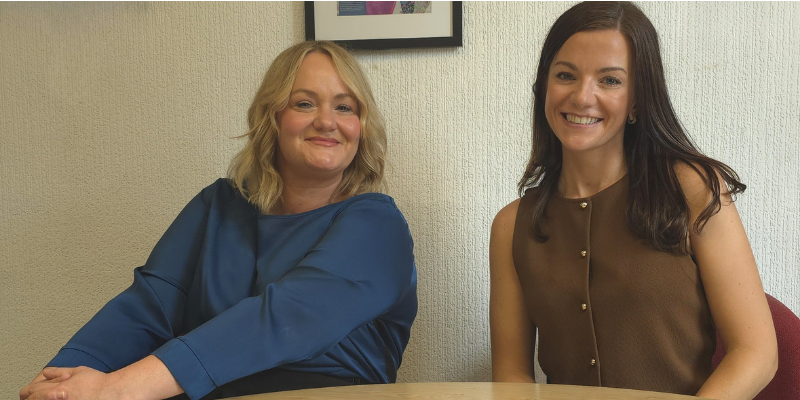
On 5 June 2026, the Ministry of Justice launched its consultation, ‘A Fairer End to Relationships’, proposing significant changes to the way the law in England and Wales deals with the financial consequences of relationship breakdown, separation and death. The consultation reflects a growing recognition that family life has changed, with more couples than ever choosing to live together without marrying or entering a civil partnership. Leah Thomas, Head of our Family team and Hannah Thomas, Partner in our Wills & Probate team, have teamed up to explain what the proposed reforms could mean for cohabiting couples both in life and on death.
For cohabiting couples, the proposals could be particularly important. Despite the long-standing myth of “common law marriage”, living together does not currently create the same legal rights as marriage or civil partnership. That can leave people exposed if a relationship ends, and it can also create serious uncertainty if one partner dies without having made a Will.
What Is the Current Legal Position for Cohabiting Couples?
At present, the legal position is often misunderstood. If an unmarried couple separates, neither partner has an automatic right to share the other’s property, savings or pension, nor to claim maintenance for themselves simply because they have lived together. Claims usually depend on strict property law principles, evidence of contributions and what the couple intended, which can be difficult, costly and uncertain to prove. The result can be real hardship, particularly where one partner has given up earnings, relied on the other financially, or where children are involved.
The position on death can be just as stark. If someone dies without a valid Will, their partner has no automatic entitlement under the intestacy rules, even if they have lived together for many years or have children together. A surviving partner may be able to bring a claim under the Inheritance (Provision for Family and Dependants) Act 1975, but that usually means legal proceedings at a time when families are already coping with bereavement.
What Is the Consultation Looking to Change?
The consultation seeks views on whether eligible cohabitants should have greater protection both when a relationship breaks down and when one partner dies. For separation, the Government is considering a new statutory framework for couples in an enduring relationship, generally after three years of living together, or with no minimum period where there is a child. The proposed scheme would be automatic for qualifying couples unless they choose to opt out, but it would not mirror divorce. Instead, it is intended to operate as a narrower, needs-based safety net, with children’s needs considered first.
If introduced, the court could potentially make orders relating to capital, income, housing and pensions, although the emphasis would remain on meeting defined needs rather than dividing everything equally. A time limit is also proposed, with claims needing to be brought within two years of separation. This means cohabitants may gain additional protection, but the reforms would still preserve a clear distinction between cohabitation and marriage.
On death, the consultation also considers whether qualifying cohabitants should have automatic inheritance rights where a partner dies without a Will. This would be a major change. Succession planning is often based on the current legal position: people may leave assets to children from previous relationships, use trusts to protect family wealth or assume that an unmarried partner will have no automatic claim on their estate. Any reform could alter that planning and may increase disputes where the nature, duration or financial reality of a relationship is unclear.
For executors and personal representatives, the practical consequences could also be significant. Estates may become more complex to administer where a surviving partner and other beneficiaries have competing expectations. This is particularly relevant in blended families, where provision may need to be balanced carefully between a partner, children and wider family members.
The consultation closes on 14 August 2026 and any changes are likely to take time. However, the direction of travel is clear: the law is being asked to respond to the realities of modern relationships. For cohabiting couples, this is a timely reminder not to rely on assumptions about what the law will do.
What Can Cohabiting Couples Do?
The key action point is to plan now. A properly drafted Cohabitation Agreement can record who owns what, how household and financial contributions are treated and what should happen if the relationship ends. It remains one of the clearest ways to create certainty under the current law and is likely to remain important even if the reforms proceed.
At the same time, making and regularly reviewing a Will is essential. A Will allows you to decide who should inherit, protect a partner where appropriate, make provision for children and reduce the risk of disputes after death. For couples with children from previous relationships, jointly owned property, unequal financial contributions or complex family arrangements, specialist advice is particularly important.
We Can Help…
Whether the concern is separation or succession, the message is the same: do not wait for the law to change before putting your own arrangements in order. If you live with your partner and want clarity about your rights, responsibilities and future planning, please get in touch with our Family and Wills & Probate teams.